Vinyl Wrapping
Contact Us Today
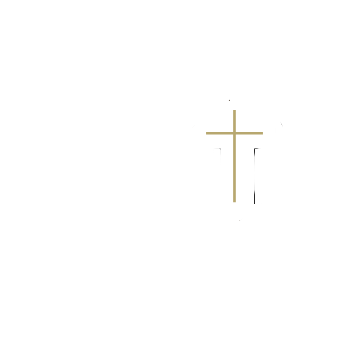
A vinyl wrap transforms how your vehicle looks while preserving the original factory paint underneath, which matters when you want a color change without the permanence and cost of a full repaint. K3 Auto Solutions applies vinyl wrapping to cars and trucks in Nevada, covering panels with durable film that resists UV fading, minor scratches, and road debris while allowing you to reverse the change whenever you choose. Whether you're updating a vehicle's appearance for personal preference, protecting a new paint job from wear, or applying business graphics for commercial use, the wrap adheres directly to clean painted surfaces and conforms to body curves, seams, and complex contours.
The installation process involves thorough surface preparation to remove contaminants, then carefully applying the vinyl with heat and pressure to eliminate air bubbles and stretch the material around edges, door handles, mirrors, and trim pieces. Premium cast vinyl lasts five to seven years in typical conditions, while calendared vinyl serves shorter-term applications at lower cost. The material protects underlying paint from rock chips, light scratches, and sun exposure that would otherwise cause clear coat failure and color fade over time.
Arrange a consultation to review color options, finish types, and coverage areas for your specific vehicle.
Professional wrapping requires disassembly of removable exterior components like door handles, side mirrors, emblems, and trim pieces so the vinyl tucks underneath edges rather than simply stopping at seams where moisture and dirt would eventually lift the material. Installers use heat guns to make the vinyl pliable around compound curves and recessed areas, then trim excess material and seal edges to prevent peeling. Color-matched vinyl for partial wraps like roofs, hoods, or accent panels coordinates with existing paint, while full wraps cover every visible exterior surface for complete color transformation.
Your vehicle takes on a uniform appearance without the orange peel texture, runs, or overspray issues that sometimes occur with lower-quality paint jobs. The wrap's surface finish-whether gloss, matte, satin, metallic, or textured-remains consistent across all panels without the color variation that can happen when paint batches don't match perfectly. When you eventually remove the wrap, the paint underneath retains its original condition without the oxidation, fading, and micro-scratches that exposed surfaces accumulate over years of use.
Vinyl withstands typical car washing, though automatic brushes can catch edges if the wrap wasn't properly sealed during installation. The material doesn't protect against dents or deep scratches that penetrate through to the paint, and it performs best when applied over surfaces that are already in good condition without existing rust, peeling clear coat, or deep paint damage that would telegraph through the vinyl.
Questions about durability, maintenance, and appearance are common before vehicle owners commit to vinyl wrapping.